Neighborhood Canopy
Plant along homes, streets, shared areas, and approved neighborhood spaces where additional canopy can improve everyday life.
Local shade + canopyGroundCrew projects turn planting into visible local work — adding shade, habitat, remembrance, and new canopy where people can see it grow.
Some projects begin with one family. Others start with a school, neighborhood, organization, memorial, or community partner. The scale changes. The standard does not.
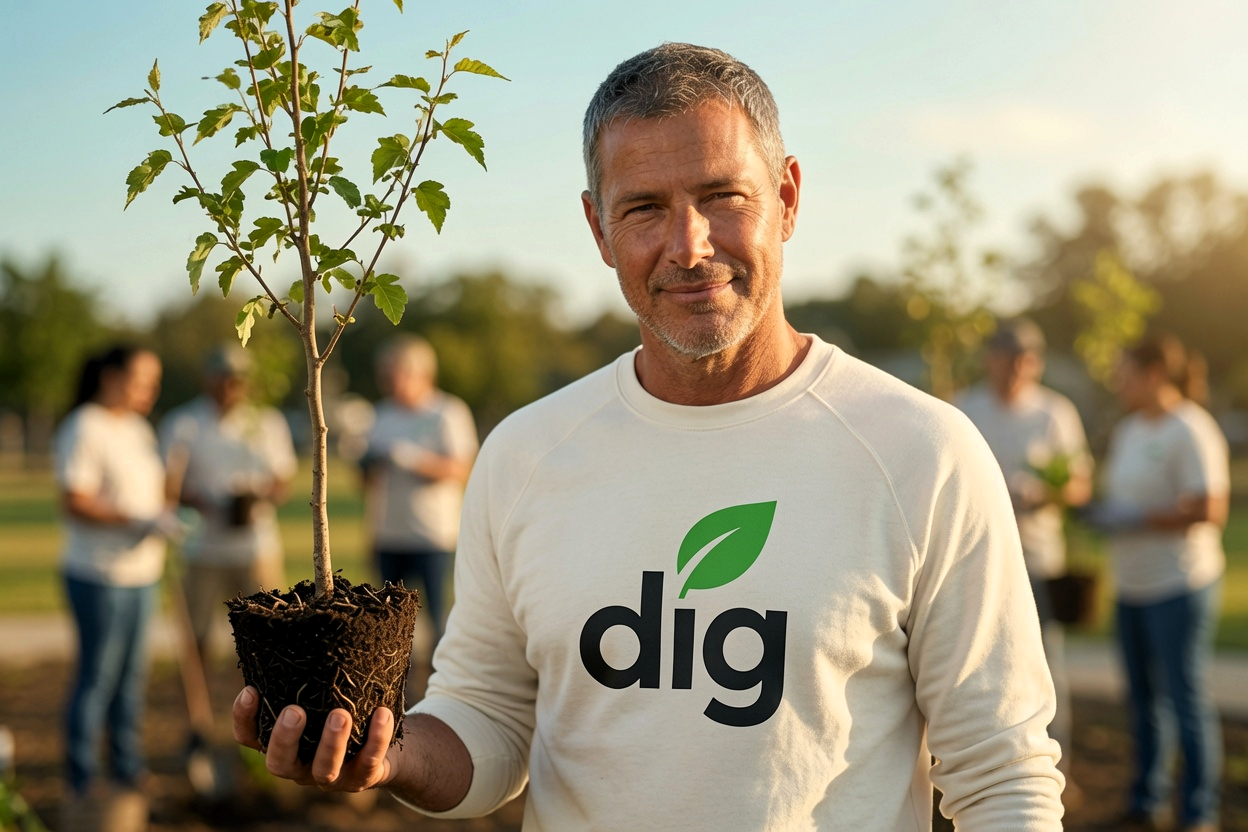
These are the core kinds of sites and outcomes the program is designed to support. Individual project listings can be added here as projects are approved and documented.
Plant along homes, streets, shared areas, and approved neighborhood spaces where additional canopy can improve everyday life.
Local shade + canopyAdd long-term canopy around campuses, gathering spaces, walkways, and outdoor learning areas where students can experience the benefit.
Campus plantingCreate a meaningful tree planting around a person, family, milestone, or story while giving the site a lasting living asset.
Memory with rootsSupport approved parks, shared landscapes, community properties, and local spaces where more trees can strengthen the site over time.
Shared benefitPrioritize locally appropriate trees where food, shelter, ecological connectivity, and native habitat are major project goals.
Plant for wildlifeConnect businesses, dealerships, organizations, and sponsors with visible planting work tied to real sites and local stewardship.
Multiply the reachProjects begin with the site and the reason for planting. From there, GroundCrew narrows what kind of tree, support, and follow-through make sense.
One-tree or small-scale planting for shade, habitat, family milestones, memorials, or long-term property canopy.
Planting that combines shade, stewardship, education, and visible long-term improvement to a school or campus environment.
Coordinated planting across approved sites where many individual trees can begin building a stronger local canopy.
Living remembrance projects built around a person, family, group, event, anniversary, or place with personal meaning.
Projects funded or supported by businesses and organizations that want their participation tied to visible local planting.
A project does not begin with a tree order. It begins by understanding the place, the purpose, the permissions, and what the site can support.
Tell us where you want to plant, who is involved, why the project matters, and what kind of space is available.
Review ownership, permissions, utilities, access, sunlight, soil, drainage, available space, and the likely project scale.
Choose species and mature sizes that fit the site, then coordinate planting, volunteers, crew support, or project-day logistics.
Assign watering, mulch, monitoring, and establishment responsibilities so the planting has follow-through after project day.
GroundCrew is not built around planting-day numbers alone. The real measure is whether trees are matched to the site, installed correctly, and cared for during establishment.
That means fewer shortcuts and more attention to practical details before the first hole is dug.
Site first. Mature size, roots, light, soil, drainage, utilities, access, and conflicts come before appearance.
Native-first. Favor locally appropriate trees when they fit the site and project purpose.
Clear stewardship. Know who will water, monitor, and care for the trees after planting day.
Long view. Judge the project by what the site can become, not only by how it looks the first afternoon.
Start with the site. GroundCrew can use the Plant request to gather the basic information needed to understand whether the project is a fit.
The more clearly the site is described, the easier it is to evaluate the next step.
Home, school, neighborhood, memorial, park, organization, or shared community space — tell us where you want something living to grow.
GroundCrew Foundation • PlantsATree.com