Tell us who was there.
The person planting, remembering, learning, restoring, returning, or simply noticing something worth sharing.
Stories from the Ground
Stories from the Ground is GroundCrew's editorial home for first-person stories, creator-provided essays, field notes, memorials, project journals, photographs, and observations from people who care about trees and the places around them.
Some stories begin with a shovel. Some begin with grief, a neighborhood, a school, a storm, a memory, or a tree someone almost walked past.
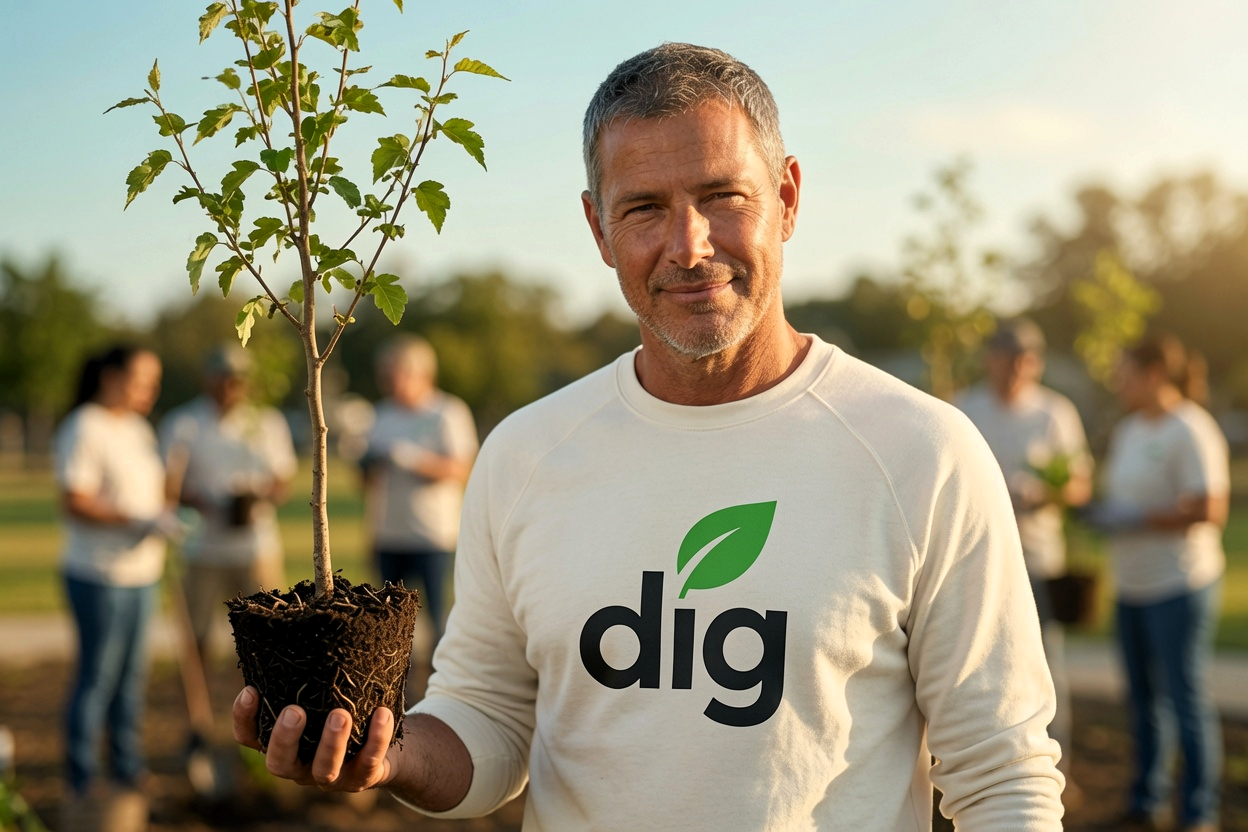
The person planting, remembering, learning, restoring, returning, or simply noticing something worth sharing.
Backyards, streets, schools, parks, trails, neighborhoods, memorial sites, and overlooked patches of ground all have stories.
Good stories are not only about planting day. They are about what grew, failed, surprised, healed, returned, or changed.
Featured story
The best GroundCrew stories begin with something specific: one person, one place, one reason, one tree.
Why did this tree, this place, or this planting matter enough for someone to stop and act?
Weather, soil, roots, tools, mistakes, names, memories, photographs, and small observations make the story believable.
Stories from the Ground should feel authored, not polished into the same institutional voice.
Return visits, care, seasonal changes, setbacks, and new growth can become part of the story over time.
From the field
Creator-provided work can include essays, photo journals, field notes, interviews, memorial stories, and project diaries.
A personal act of planting after loss became a lasting passion for trees, life, and leaving something useful growing behind.
Why a living memorial can become more than a marker — a place to return, care for, and watch change through the years.
Latest stories
Use these cards for database-driven posts later. For now, they establish the editorial structure and content categories.
A short observation about how learning trees changes the way a familiar street, yard, or park looks.
Tree knowledgeWhat mature size, roots, moisture, sunlight, and nearby infrastructure teach us before the shovel goes down.
Project journalWhy watering, monitoring, and returning to a site make a better story than a single photograph on planting day.
RemembranceA story about choosing a living memorial that has enough room, meaning, and care to become part of a place.
How we workSite fit, species choices, utilities, permissions, stewardship, and the practical decisions hidden behind a simple planting.
CommunityHow sponsors, schools, businesses, and local partners can help one planting idea reach more ground.
Story categories
The editorial mix can move between personal narrative, practical knowledge, documentary field notes, and community storytelling without losing the central idea: the story should stay connected to a real person, real place, or real tree.
Personal essays about planting, grief, recovery, family, memory, change, discovery, and why trees became important.
Before-and-after reporting, planting days, site visits, volunteer stories, stewardship updates, and what happened next.
Creator observations about tree types, planting mistakes, care, local ecology, weather, habitat, and lessons learned outside.
Image-led stories where captions, short reflections, and documentary photographs carry most of the narrative.
Contributor principles
Stories from the Ground should make it obvious who created the work, what GroundCrew edited, and when a contributor is speaking from personal experience rather than for the organization.
Edit for readability without flattening every contributor into the same institutional tone.
Use a byline, creator profile, photography credit, or other attribution appropriate to the work.
Personal experience can remain personal while factual or organizational claims receive appropriate context.
Use permission, thoughtful identification, and reasonable privacy when stories involve memorials, children, private property, or vulnerable moments.
Share your story
Send the story in the form that feels natural: a finished essay, rough notes, photographs with captions, a voice-transcript draft, a planting journal, or simply the details of what happened.
GroundCrew can shape accepted submissions for the site while preserving the creator's point of view and credit.
Tell us who: your name, preferred byline, and your connection to the story.
Tell us where: the place, project, tree, neighborhood, or setting that grounds the story.
Tell us what changed: why the moment mattered and what happened afterward.
Bring the evidence: photos, dates, project details, or other context when it strengthens the piece.
Stories from the Ground
Read what people are planting, remembering, learning, restoring, and noticing — then tell us what is happening where you stand.
GroundCrew Foundation • PlantsATree.com