Make a place better now.
Add shade, structure, beauty, and a living feature that immediately changes how a yard, street, school, or shared space feels.
Why plant
A well-chosen tree can make a place cooler, more useful, more alive, and more resilient. It can create shade, support wildlife, strengthen local canopy, and give people something tangible to care for.
The act is small enough to do now. The benefit can keep expanding for years. That is the reason behind DIG: put the right tree in the right place, care for it well, and leave something growing.
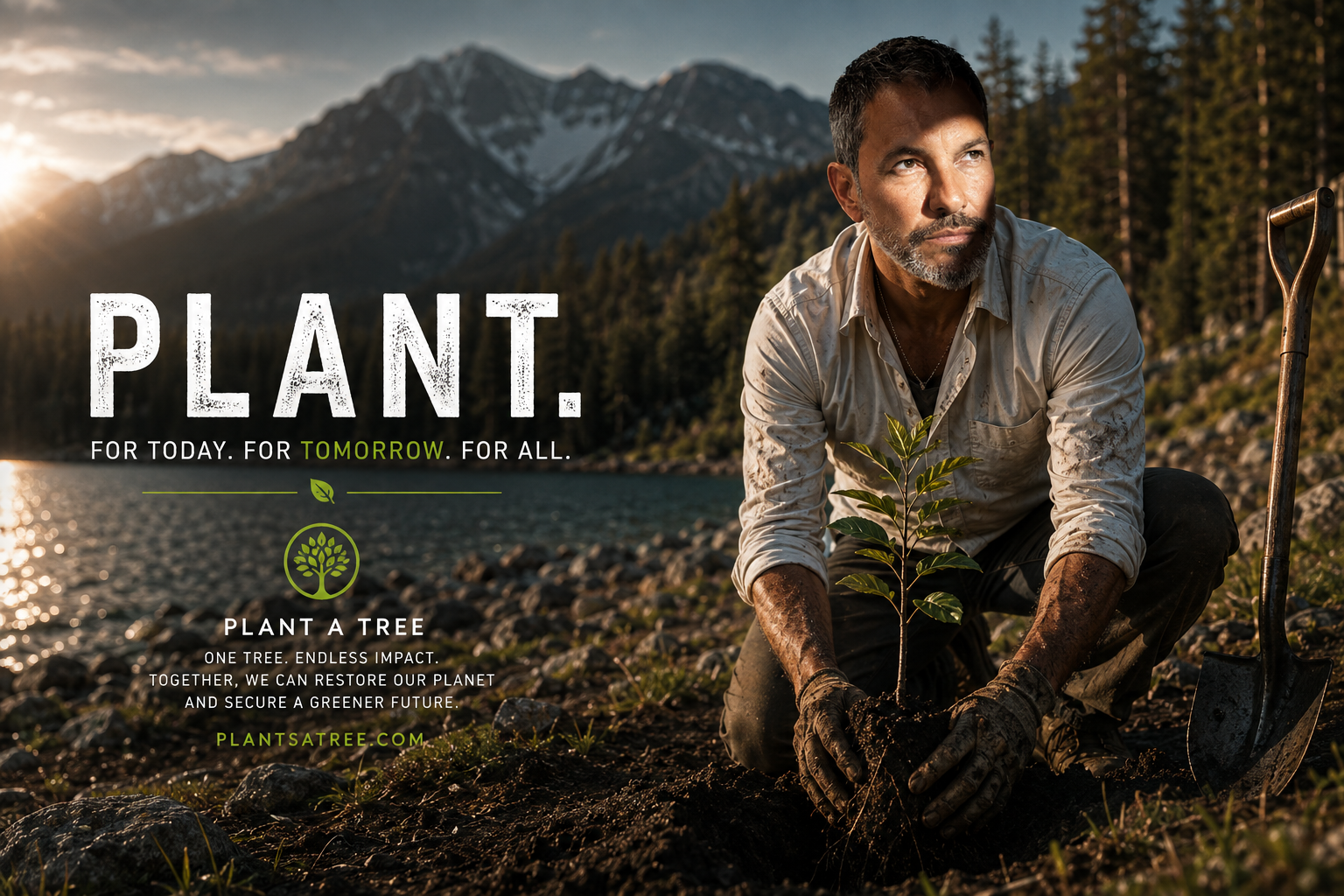
Add shade, structure, beauty, and a living feature that immediately changes how a yard, street, school, or shared space feels.
As the tree establishes, its canopy, roots, habitat value, and usefulness can become more significant season after season.
A tree can serve families, neighbors, wildlife, and people who may never know who planted it.
Trees are not a single-purpose improvement. A healthy tree becomes part of the way a place works.
Start with shade. A growing canopy can make outdoor spaces more comfortable and give homes, sidewalks, gathering areas, and play spaces relief from direct sun.
Trees also create structure and habitat. Branches, bark, leaves, flowers, fruit, and surrounding soil can become part of a local ecosystem used by birds, insects, and other wildlife.
Below ground, roots occupy and stabilize soil while interacting with water and the living systems around them. Above ground, the tree adds canopy and turns empty vertical space into something alive.
No single tree solves every environmental problem. But one good tree, planted where it can thrive, is a practical improvement with more than one return.

Right tree. Right place.
A tree creates the most value when the species fits the site. Sunlight, soil, drainage, mature size, overhead space, nearby structures, and underground utilities all matter before the shovel goes in.
DIG takes a native-first approach because locally appropriate trees can contribute to the surrounding ecosystem while fitting the conditions they evolved around.
Planting well means thinking about what this tree will need five, ten, and twenty years from now — not only what it looks like on planting day.
The long view
Planting a tree is a small decision that asks you to think beyond today.
Do your part. Plant a tree.
Most improvements are finished when the work ends. A tree is different: the work starts a living process.
A young tree begins small, which is exactly what makes planting such a forward-looking act. You are creating conditions for something useful to become larger than it is today.
As roots establish and the canopy develops, the tree changes its relationship with the site. Shade extends farther. Branch structure becomes more substantial. Habitat opportunities expand. The tree becomes more recognizable as part of the place.
That long horizon matters in neighborhoods and community spaces where tree loss can happen quickly but replacement canopy takes time to rebuild.
Planting now is how future canopy begins. There is no shortcut around the years a tree needs to grow.
What grows with it
The value of planting is not one headline benefit. It is the combination of useful things a healthy tree can contribute over time.
Give people, homes, sidewalks, and gathering spaces a growing layer of natural shade.
Add food, shelter, structure, and connectivity for wildlife suited to the local landscape.
Turn an open site into part of a larger network of trees that shapes how a neighborhood looks and functions.
Create a living result that can continue serving a place after the planting day has been forgotten.
The goal is not simply to put a tree in the ground. The goal is to help it become established enough to keep growing.
Good planting begins before digging. Choose the site and species together. Think about mature size, available space, light, soil, utilities, and the conditions the tree will face after installation.
Then plant correctly and protect the establishment period. Watering, mulch, monitoring, and simple first-year care can matter more than making planting day look impressive.
This is why DIG treats planting as a process rather than a one-day event. A tree becomes valuable by surviving, establishing, and growing into the place it was chosen for.
The best tree is not the most dramatic one at the nursery. It is the one that fits the site and still has room to thrive years later.
Your reason can be simple
You do not need one perfect reason. Plant because you want more shade at home. Plant because a schoolyard needs canopy. Plant because a neighborhood has room for more life. Plant because someone deserves to be remembered.
Different reasons can lead to the same useful result: one more well-sited tree, cared for long enough to become part of the future.
Create shade, structure, seasonal interest, and a tree that can become part of everyday life.
Add canopy where more people can experience the benefit — neighborhoods, schools, parks, and shared spaces.
Give a memory, milestone, or person a living place that changes and grows with time.
Start a benefit now that someone else may one day experience at full size.
One tree. Long reach.
Choose a reason. Choose the right tree. Choose a place where it has room to grow — then put it in the ground and care for what happens next.
Do your part. Plant a tree. • plantsatree.com